
Show summary Hide summary
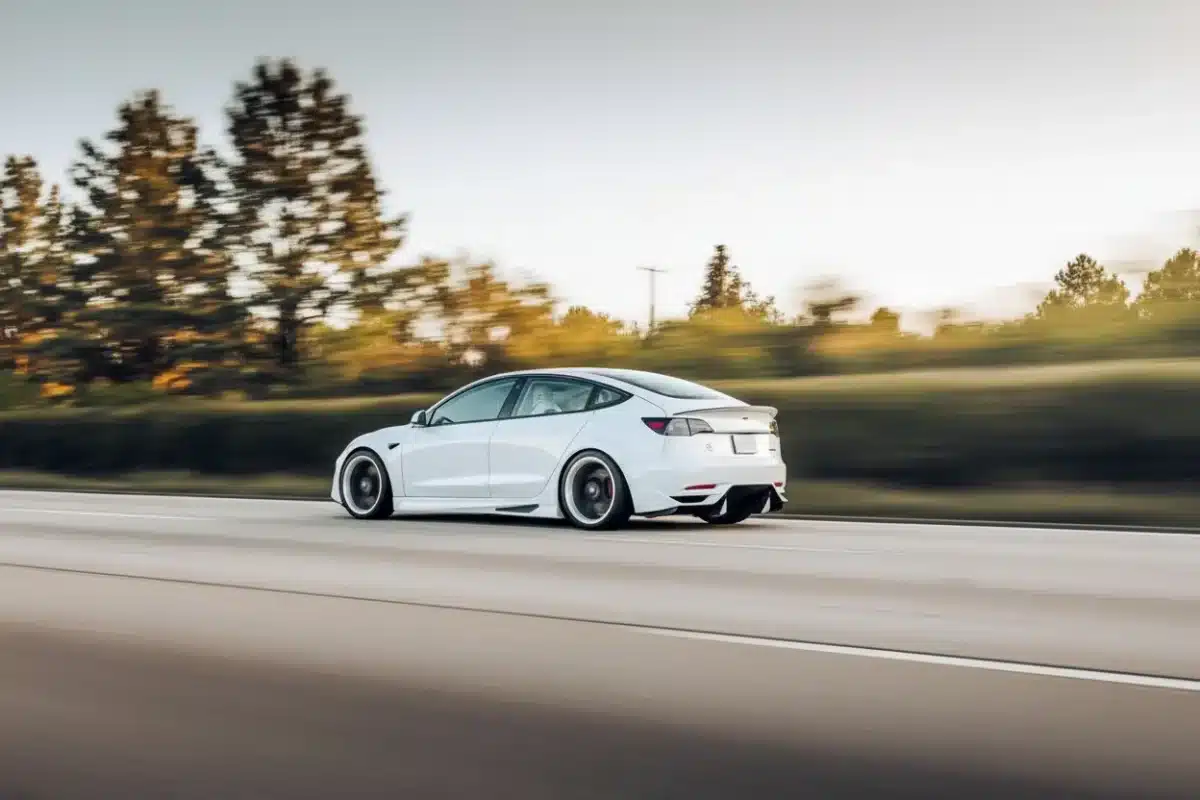
How long does an electric car battery really last, especially when put to the ultimate endurance test? Forget lab simulations—here’s the unfiltered reality from the highway, courtesy of one Italian taxi driver and his Tesla Model 3 after clocking over 600,000 kilometers.
The Million-Kilometer Question: When Does a Battery Need Replacement?
It’s the question that hovers over every prospective and current electric vehicle owner: How long before I’ll need to replace that battery pack? The dilemma isn’t trivial. Batteries represent a major slice of the investment pie—and a potentially daunting line item on any maintenance budget. But as any seasoned driver knows, hard-won experience trumps theoretical lab tests every time.
Enter a dedicated member of Tesla Owners Italia—a professional taxi driver who, under the nickname “Taxi Desio,” has shared an unvarnished account of what his Model 3’s battery looks like after more than 600,000 km of relentless service. It’s a journey long enough to circle the globe more than a dozen times, and certainly robust enough to provide a no-nonsense checkup on battery longevity.
Elon Musk says Tesla owners can soon text and drive: rollout in a month or two
Nissan’s game-changing solar EV steals spotlight: 4 more EV stories this week
Taxi Life: A Continuous Ringer for Any Battery
Hitting 600,000 km isn’t a casual statistic to toss around. This milestone was achieved through the no-nonsense, pedal-to-metal routine of a professional driver. His typical work pattern? A constant string of rides, ever-changing situations, and frequent stops at high-speed charging stations—conditions that would make even the most robust battery management system break out in a cold sweat.
- A relentless rhythm of trips
- Exposure to every manner of driving condition
- Repeated fast charging sessions
All these factors combine to put a battery pack through the wringer, day in and day out. Yet, as the kilometers mounted, the Model 3’s heart kept beating.
Original Equipment: Still Going the Distance
Despite this demanding cycle, the Model 3 in question has displayed a level of reliability that deserves a polite round of applause (or maybe a standing ovation). The original battery—the very same one installed at the factory—is still powering the car. That’s not just an impressive feat; it’s a testament to the maturity of the vehicle’s electric design and the robustness of its energy management system. This isn’t anecdotal evidence—it’s proof that today’s EV architecture has grown up and is ready for prime time.
Now, let’s not gloss over the realities of time and use. The driver reported a loss of about 20% capacity. In practical terms, this means a reduced maximum range. But crucially, the vehicle remains entirely usable for daily drives and jam-packed workdays, as long as you’re willing to tweak your planning a bit. Adaptation is the name of the game. You might not breeze through the Alps on one charge, but city runs and regular work shifts? Still in the bag.
Smart Charging Makes a Big Difference
The story wouldn’t be complete without acknowledging the role of fast charging in this epic journey. Frequent use of high-speed chargers likely contributed to increased wear—it’s hard to escape physics, after all. However, Tesla’s intelligent charging management plays a pivotal role in limiting stress on the battery cells. The system deploys optimized charging windows, thermal controls, and power modulation, which all work together to fend off premature battery aging.
- Optimized charging intervals
- Careful thermal monitoring
- Variable charging power
This cocktail of battery care features helps keep the battery in good shape, maximizing its lifespan even under intensive taxi use. It’s a demonstration of just how far we’ve come in battery engineering and—more importantly—battery management.
This Model 3, now with over 600,000 km under its belt, still offers sufficient range to remain an economically viable daily vehicle. Its saga is more than just a milestone; it’s concrete evidence of the progress in battery technology and how effective management can prolong usable life, even under extreme usage. Experience like this instills real confidence: Electric cars aren’t just for short commutes or Sunday drives. Given smart care, they can roll up astronomical mileage and keep going strong—wallet-friendly and worry-free.

![Elon Musk claims Tesla owners can soon 'text and drive' with upcoming features: '[Within] a month or two'](https://www.kiheigas.com/wp-content/uploads/2025/11/Elon-Musk-says-Tesla-owners-can-soon-text-and-drive-scaled.png)


