
Show summary Hide summary
The Promise and the Reality
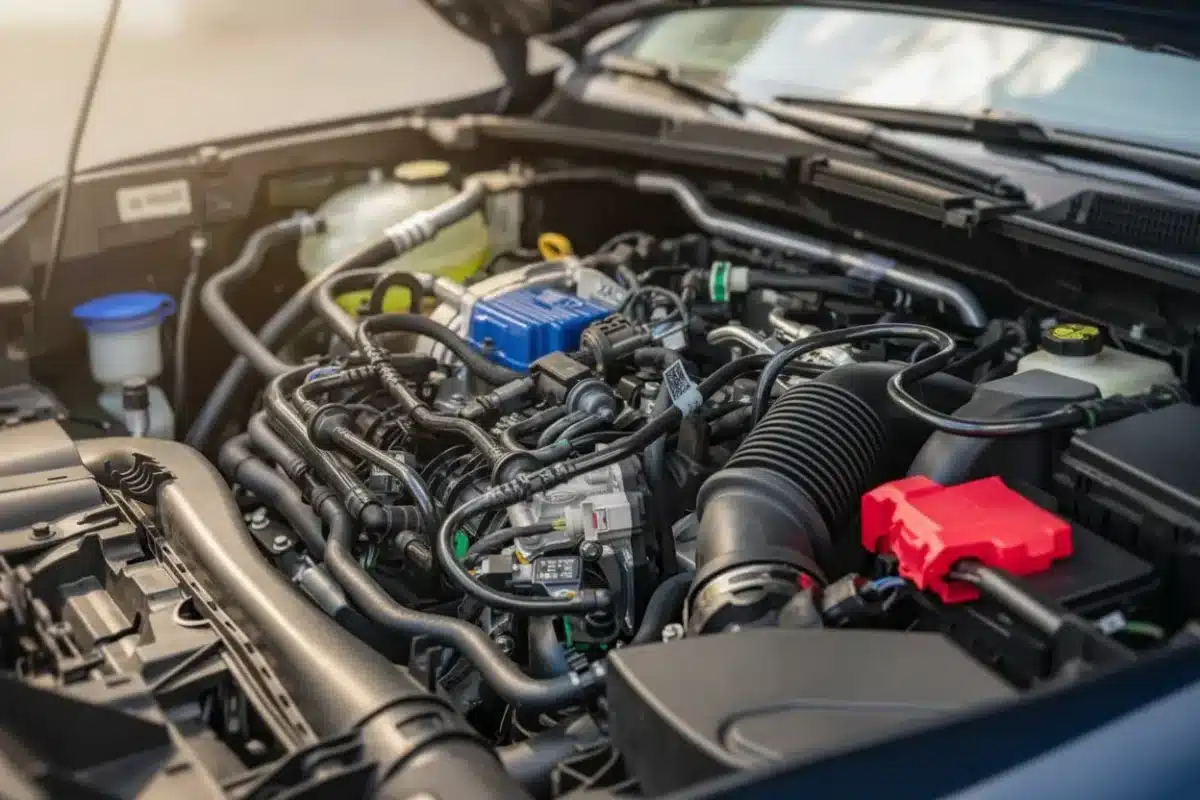
What started as an environmentally friendly solution gradually turned into a technical compromise. Engines with a capacity of just one liter, or even slightly bigger, often have to work much harder to move a heavy, modern car down the road. That means more heat, more pressure, and yes—more wear and tear. The dream of efficiency began to crumble under the weight of daily use.
Bigger Isn’t Always Bad
Once you go up to a 1.4-liter engine or above, there’s simply more in reserve. The components aren’t being pushed to their absolute limit, the turbo can take it a little easier, and the engine block runs with a bit more composure. It’s not just about reliability; you’ll feel the difference behind the wheel, too.
Elon Musk says Tesla owners can soon text and drive: rollout in a month or two
Nissan’s game-changing solar EV steals spotlight: 4 more EV stories this week
A 1.4 or 1.5-liter engine accelerates more smoothly, vibrates less, and sounds less frantic. That’s not old-fashioned—it’s just physics at work.
Comfort, Efficiency, and the Real-World Payoff
There’s another surprise: larger engines can actually be more efficient in real-world driving than smaller ones that are constantly working overtime. Especially on the highway, the gap in fuel use and longevity really shows itself. When a small engine is always pushed to its limits, particularly on long trips or when you’re fully loaded, you’re asking too much of it. Eventually, the bills start rolling in for the gap between clever marketing and good old mechanics.
No Shortcut Around Physics
Even the most reliable brands have now learned that you can’t erase the laws of physics with software. Downsizing was once the future, but these days, that future seems to end up mostly at the repair shop.

![Elon Musk claims Tesla owners can soon 'text and drive' with upcoming features: '[Within] a month or two'](https://www.kiheigas.com/wp-content/uploads/2025/11/Elon-Musk-says-Tesla-owners-can-soon-text-and-drive-scaled.png)


