
Show summary Hide summary
How Italy Made EVs Cheaper Than Bikes
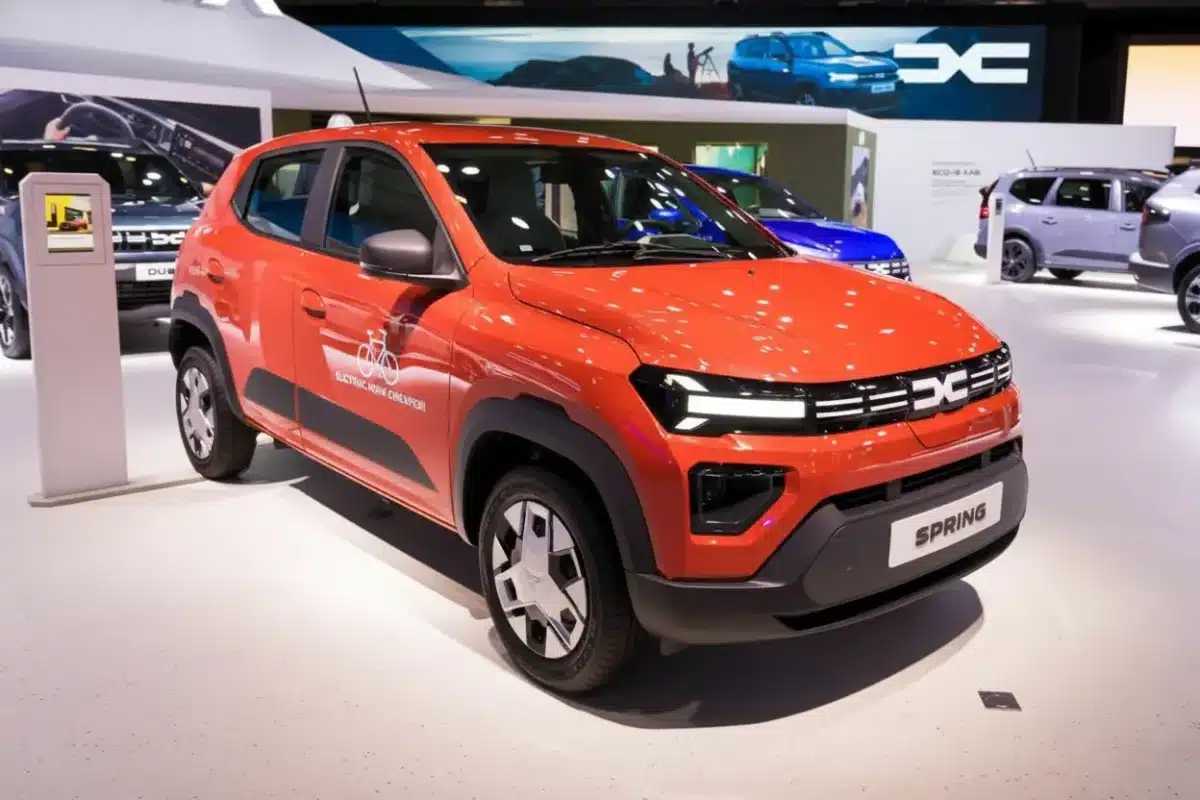
- Thanks to generous scrappage incentives and income-based subsidies, small electric vehicles like the Dacia Spring and Leapmotor T03 are now sometimes priced lower than a decent electric bicycle in Italy.
- This bold move by Prime Minister Giorgia Meloni’s government has sent shockwaves through the car market, putting palpable pressure on manufacturers such as Stellantis and Renault.
While electric car sales have been stumbling across major European markets—countries like Germany have scrapped subsidies, and the sustainability fire hasn’t exactly kept buyers warm—the Italian exception stands out. Rome’s latest “Ecobonus” initiative is designed to lower barriers to electric driving, piling together incentives for scrapping old polluters, special support for lower incomes, and temporary discounts from importers. The outcome? The price of compact electric cars is being driven to historic lows. In some cases, we’re talking about a brand-new Dacia Spring costing less than a sturdy e-bike—yes, with four wheels and a roof included.
The Simple (and Maddeningly Effective) Principle
The approach is straightforward: hand in your old petrol or diesel car for scrap and you get a hefty state bonus when purchasing an electric vehicle. The dirtier and older the vehicle you’re scrapping, the higher the bonus. Households with lower incomes get even more support.
Elon Musk says Tesla owners can soon text and drive: rollout in a month or two
Nissan’s game-changing solar EV steals spotlight: 4 more EV stories this week
This makes nimble city cars especially irresistible. With already low base prices, the Dacia Spring and Leapmotor T03 are now, thanks to Italy’s rules, shockingly affordable. In exceptional cases—when the maximum scrappage and income bonuses are combined—the price can dip below €1,300 (about $1,400 USD). Picture it: a showroom-fresh electric car for less than a decent bicycle. It may seem absurd, but it’s happening for real.
Who Benefits—and Who Doesn’t
The scheme is sharply targeted: it’s exclusively for households with low to middle incomes who trade in an old car for scrap. The new vehicle must also stay below a fixed price ceiling, and the subsidies are distributed on a first-come, first-served basis. When the pot is empty, that’s it—there’s no magic refilling here.
As a result, the program isn’t exactly a treat for the middle class—it’s more a social measure. Italy’s chief aim is to clear the roads of the most polluting cars while ensuring affordable mobility is possible for those who need it most. The approach is reminiscent of the Flemish EV subsidy, but goes a step further by directly linking incentives to both income and scrappage.
Is Europe’s EV Market About to Change Gear?
With this pricing policy, the centre of gravity in the European EV market may be shifting. While Germany and France target their efforts at the middle classes, Italy is upbeat about opening up entry-level segments. This is music to the ears of brands such as Dacia and Leapmotor, which offer compact electric cars with slim margins but eye-watering demand.
Stellantis—headquartered in Turin—also smells opportunity, keen to see models like the Citroën ë-C3 benefit from the scheme. But this comes hand-in-hand with intensifying price pressure. Should Italy open up a mass market for budget EVs, brands from Volkswagen to Hyundai to Chinese contenders will have to rethink their European strategy.
For Italian families, this is a golden ticket to electric driving—no need to saddle up debt to do it. For the auto industry, it’s a litmus test: can Europe truly compete with cheaper Asian-made EVs? The next few months will be decisive, as the subsidy fund isn’t limitless.
What’s crystal clear is that Italy has set a new reference point for electric car pricing. A brand-new EV costing less than a bike might sound satirical, but it’s now very real. Whether this is a flash in the pan or the start of a continent-wide price war depends on how quickly the first batch sells out. Stay tuned—the race has just shifted into a new gear.

![Elon Musk claims Tesla owners can soon 'text and drive' with upcoming features: '[Within] a month or two'](https://www.kiheigas.com/wp-content/uploads/2025/11/Elon-Musk-says-Tesla-owners-can-soon-text-and-drive-scaled.png)


